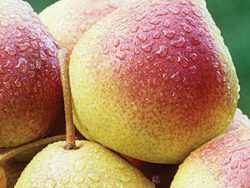
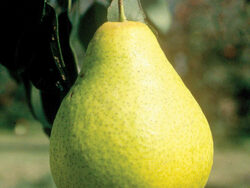
Recognized for many years as the hardiest pear from the University of Minnesota, released in 1985. Free of fireblight. An annual bearer. Fruit is pyriform in shape, 2.5-3″ in diameter and 3-3.5″ long. Blooms early in May. The fruit should be harvested in mid-August when crisp and still green with a red blush. Fruit harvested at that time is sweet and crisp, and may be stored up to 2 months.
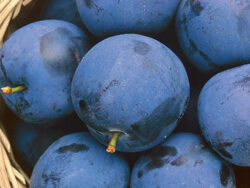
Blue European Plum. Good eaten off tree. Excellent for dessert, jam, and preserves. Tender, juicy flesh. Considered the best blue cultivar in Wisconsin and Minnesota.
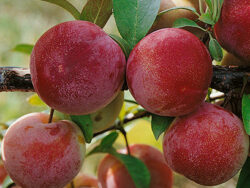
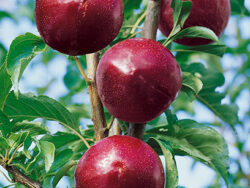
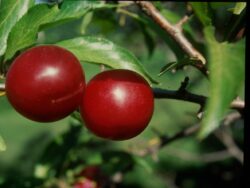
Red – ‘Burbank’ x ‘Kaga’ (P. simonii) 1933. Released by the University of Minnesota. One of the best plums on the market. Large fruit with dark red skin. Good for fresh eating, jam and jelly. Flesh is yellow, sweet and juicy. Heavy bearing. Often sets fruit the first year. Use ‘Toka’ for pollination.
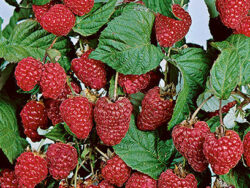
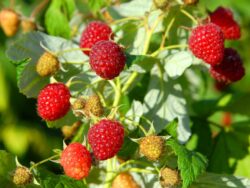
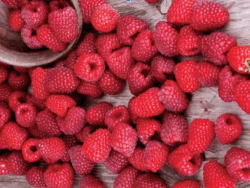
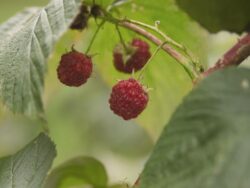
This ever-bearing vine produces a moderate summer crop, followed by an abundant fall harvest of sweet berries. Unlike some, the fruit will not fall to pieces if picking is delayed a day or two; it stays firm and juicy. Excellent flavor for eating fresh or in jams. Deciduous.
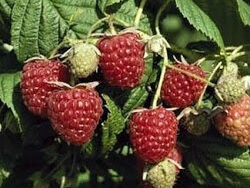
Souris is an improved red, summer-bearing raspberry. Compared to the old standard Boyne, Souris is slightly sweeter, more productive and has better spider mite resistance.
We use cookies to ensure that we give you the best experience on our website. By continuing to browse or by clicking "OK," you agree to the storing of cookies on your device to enhance your site experience and for analytical purposes.