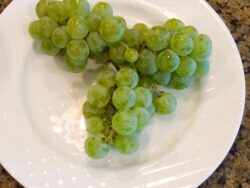
Grape, Kay Gray
Vitis ‘Kay Gray’
A fine hardy white grape suited for table use and wine making. Medium to large berries are produced in small clusters on very productive vines.


Vitis ‘Kay Gray’
A fine hardy white grape suited for table use and wine making. Medium to large berries are produced in small clusters on very productive vines.
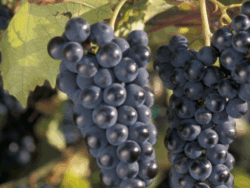
Vitis ‘Marquette’
A red wine variety that combines cold hardiness (withstood temperatures as low as -36° F) and disease resistance with excellent wine quality. Open and orderly growth habit is highly desirable for efficient vineyard management. Typically produces two clusters per shoot, eliminating the need for cluster thinning. Tasters noted an attractive, deep red color, with desirable aromas of cherry, black pepper and spice.
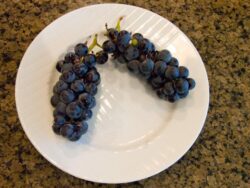
Vitis ‘Valiant’
A blue grape, attractive, well-filled clusters average 4″ in length. Very productive, annual bearer. Berries are round, up to 1/2″ in diameter. Free of astringency, skin does not adhere to flesh.
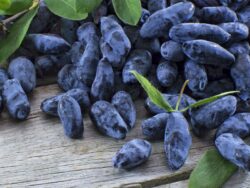
Lonicera caerulea ‘Aurora’
Aurora Honeyberry is similar in flavor to blueberries and produces earlier than strawberries. Can be eaten fresh, used in baking, as jams or jellies. A good pollinator for Borealis, Tundra and other varieties in the Indigo series.
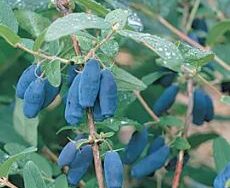
Lonicera caerulea var. kamchatica ‘Berry Blue’
Large blueberry-like tasting fruits are great for fresh eating, making jams and jellies, or baked into pies. This vigorous variety is perfect for backyard gardeners or for a full orchard. Use as a pollinator for Tundra, Borealis and Indigo Gem. Hardy and drought tolerant.
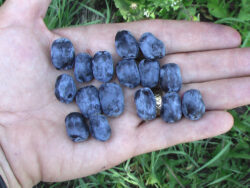
Lonicera caerulea ‘Borealis’
Honeyberry’s taste has been compared to blueberries, blackberries, raspberries and black currants. You can eat them fresh, bake into pies or make into jams or jellies. Borealis is an excellent source of antioxidants and Vitamin C. Needs Berry Blue or Cinderella for fruit set.
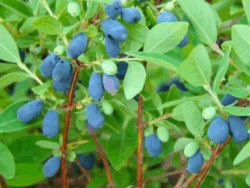
Lonicera caerulea ‘Cinderella’
Perfect for any backyard or for full orchard, honeyberries are tasty fresh, on ice cream, baked into pies or made into jams or jellies. The flavor is reminicent of blueberries, blackberries, raspberries or black currents. Excellent source of antioxidants and Vitamin C. Pollinator for Borealis, Tundra or Indigo Gem for fruit set.

Lonicera caerulea ‘Tundra’
Tundra bushes are smaller, but the fruit is larger. Berries taste like wild blueberries with a hint of black currant. Great for fresh eating or making jams and jellies. Perfect for a backyard or full orchard. Use Berry Blue or Cinderella for fruit set.
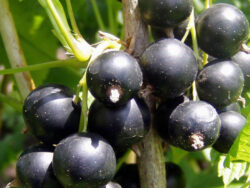
Ribes × nidigrolaria
Glossy round berries are firm, plump and just loaded with vitamin C. The rich, berry taste is a blend of black currant and gooseberry flavor, sweet and satisfying. Fruits are abundant starting early July, usually the second year. Resistant to white pine blister rust.
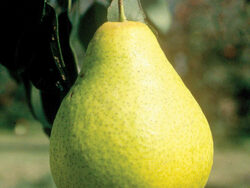
Pyrus ussuriensis ‘Early Gold’
An improved seedling of Ure pear selected for its improved vigor, chlorosis resistance and iron-clad cold hardiness. Abundant white flowers in spring produce yellow fruits on average 10 days earlier than Ure. The foliage is an attractive, glossy green. Use Ure for pollination.
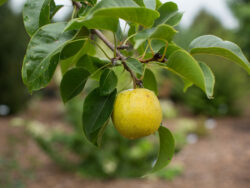
Pyrus ‘Tawara Oriental’
This Asian pear, grown mainly for its edible fruit, has an upright oval form with glossy green foliage which looks great all season long. White flowers in spring make way to the unusual dark tan to light brown fruit, tasting like a cross between apple and pear, with crisp texture. Asian pear cultivars are partially self-fruitful, but better crops are set where two or more cultivars are planted together. Excellent for fresh eating or canning.
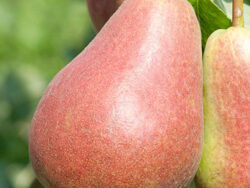
Pyrus communis ‘Parker’
University of Minnesota,1934. The fruits are medium-sized, green, and often develop a slight red blush on the sunny side of the fruit. While most pears need to be picked at the green/ripe stage and then slow ripened off the tree, Parker is okay when picked fully tree-ripened as it does not have many issues with core rot like other pear varieties. Picking at the green/ripe stage is best to maximize storage.