

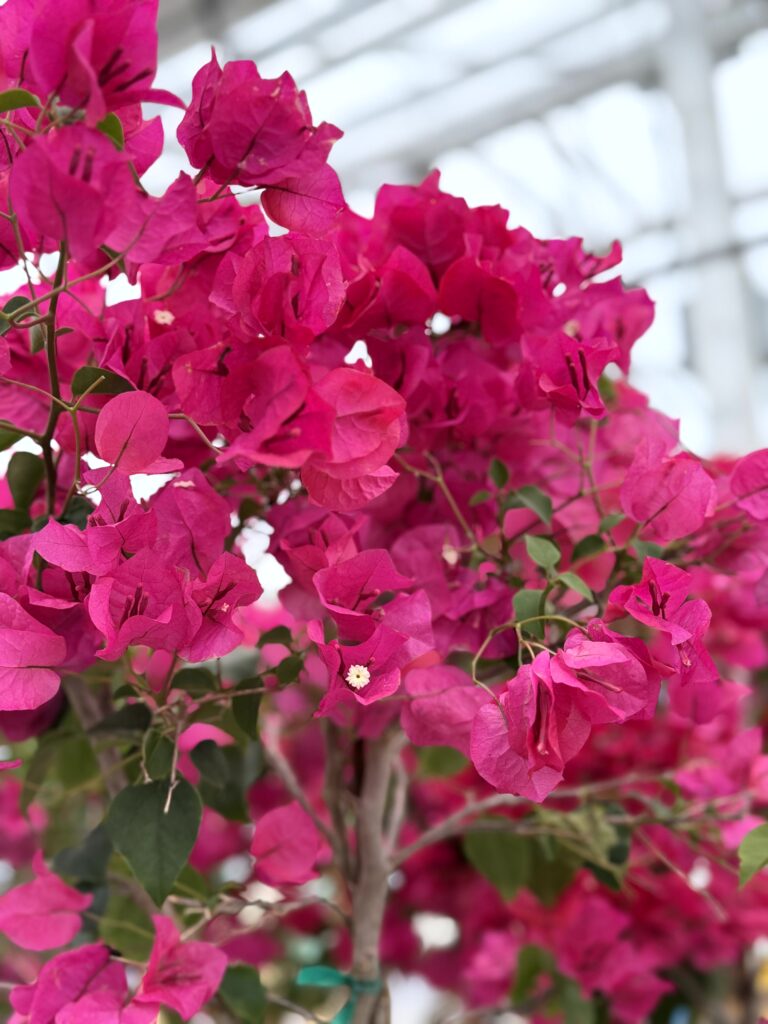
Bougainvillea Care
These stunning woody tropicals’ color comes from their papery bracts that hide their true tiny flowers. They love our hot, humid summers and can be wintered over if you take some care. Read more on the best overwintering practices for Bouhainvillea below! Indoor Winter Care Transitioning Back Outdoors Have more tips and tricks to share…
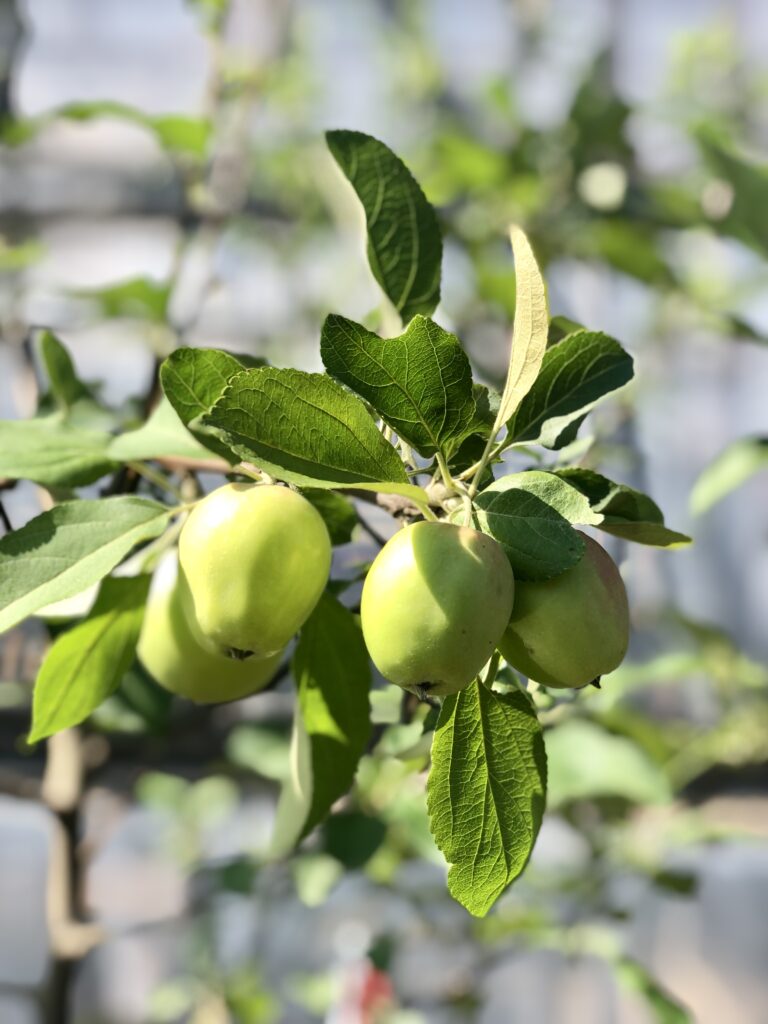
Fruit Cross Pollination Guide
Interested in growing your own fruit? One of the most important factors for success is pollination. While all fruiting plants need pollination to produce, not all of them need a partner to get the job done. Some—like strawberries and raspberries—are self-fruitful, meaning they can produce a harvest all on their own. Others, like blueberries and…
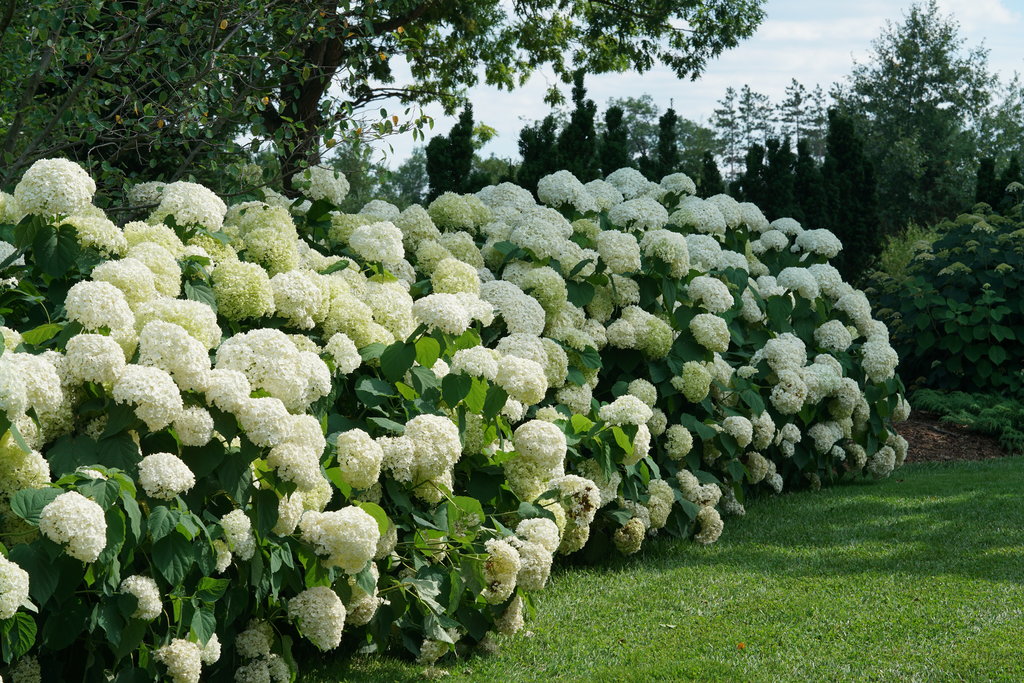
Hydrangea Care Tips
What to Know for Beautiful Blooms Hydrangeas are beloved for their show-stopping blooms, rich textures, and seasonal color changes. But caring for them successfully requires a bit of strategy — especially when it comes to pruning and placement. Here’s a detailed guide to the three main hydrangea types you’ll find in northern Minnesota, how to…
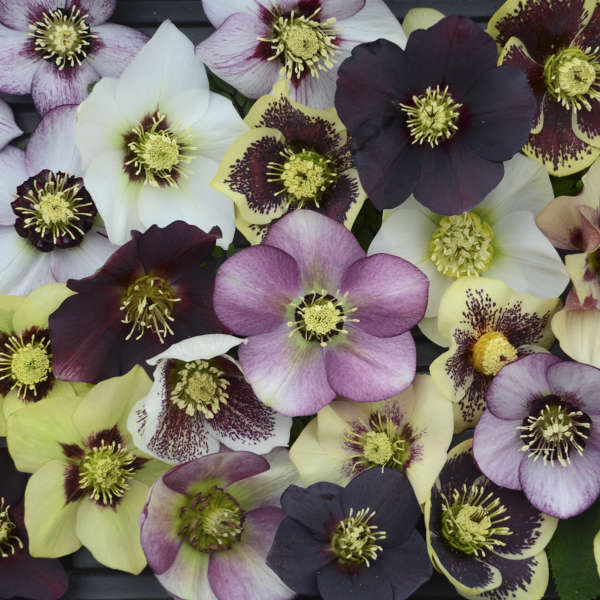
How to Care for Hellebores
Hellebores are low-maintenance and stunning plants that thrive in shady spots, making them perfect for adding beauty to the darker corners of your garden. Here’s how to care for them: With these simple care tips, your hellebores will reward you with beautiful blooms each year in the early spring!
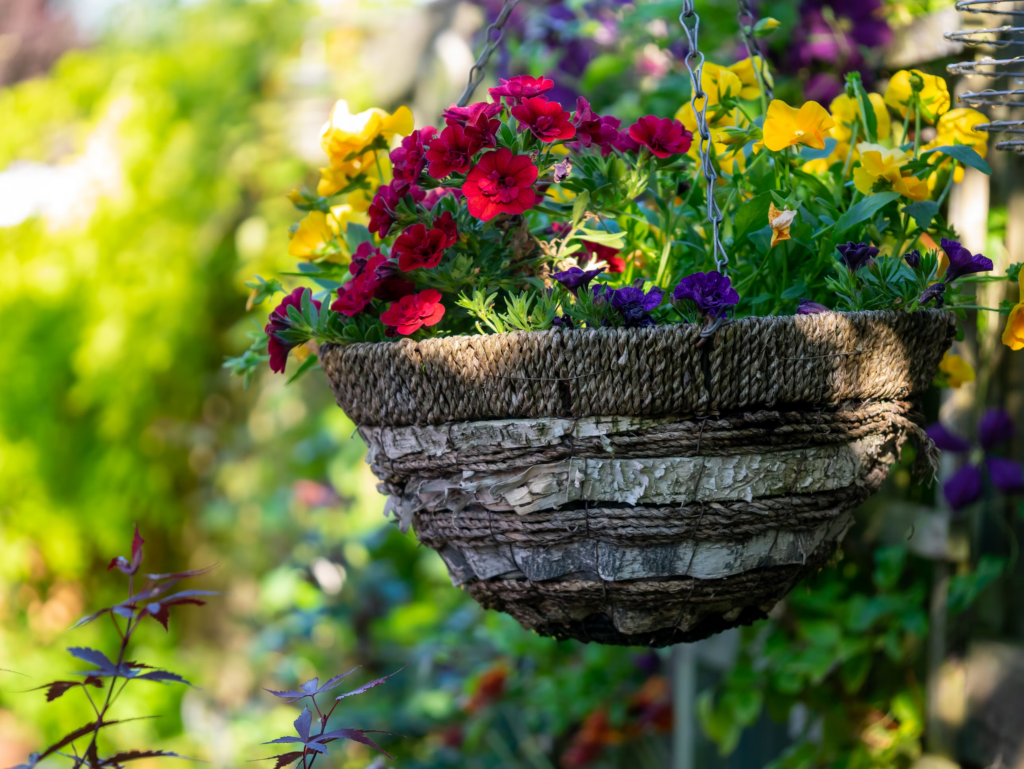
Hanging Basket Happiness
Hanging Basket Happiness: A Care Guide Hanging baskets are a great way to decorate porches, decks and other places in your yard and garden. Here are some tips for growing and maintaining your hanging baskets, so they keep looking great all summer! Watering Check baskets daily for water needs. Get to know how…
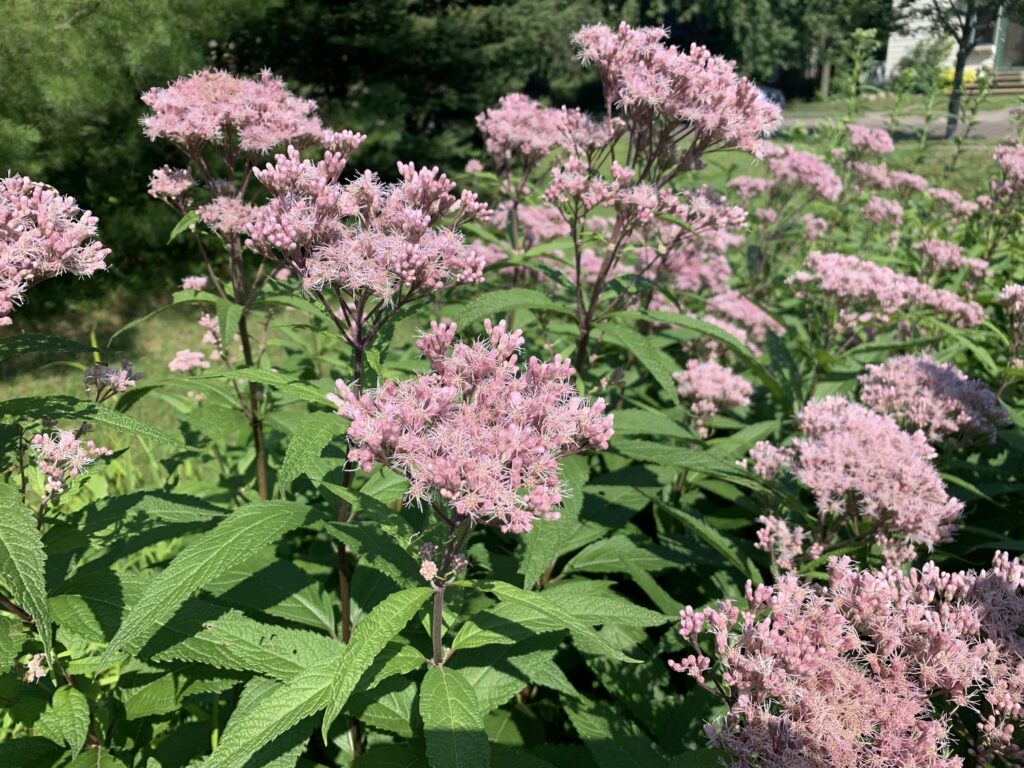
Native Plants for Northern Gardens
Native plants are perfectly adapted to our local climate and soil conditions, making them low-maintenance and resilient choices for your landscape. Plus, beyond providing essential habitat and food for local wildlife, they also require less water, pesticides and fertilizers, promoting a healthier ecosystem. By incorporating native plants into your garden, you can support biodiversity, conserve…
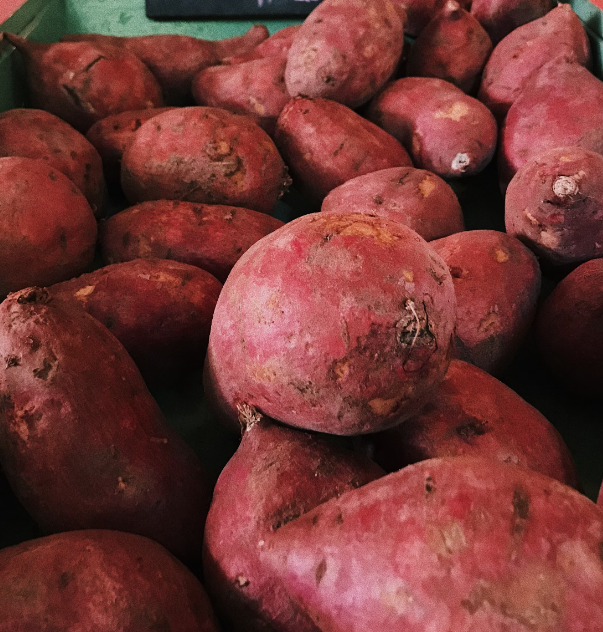
How to Grow Sweet Potato
Sweet potatoes aren’t grown from seeds like most vegetables, or even seed potato chunks like potatoes are. Sweet potatoes are grown from small seedlings, known as slips. It’s very simple and inexpensive to sprout your own! When to Start Sweet Potato Slips The timing is important if you want to grow large and tasty sweet…
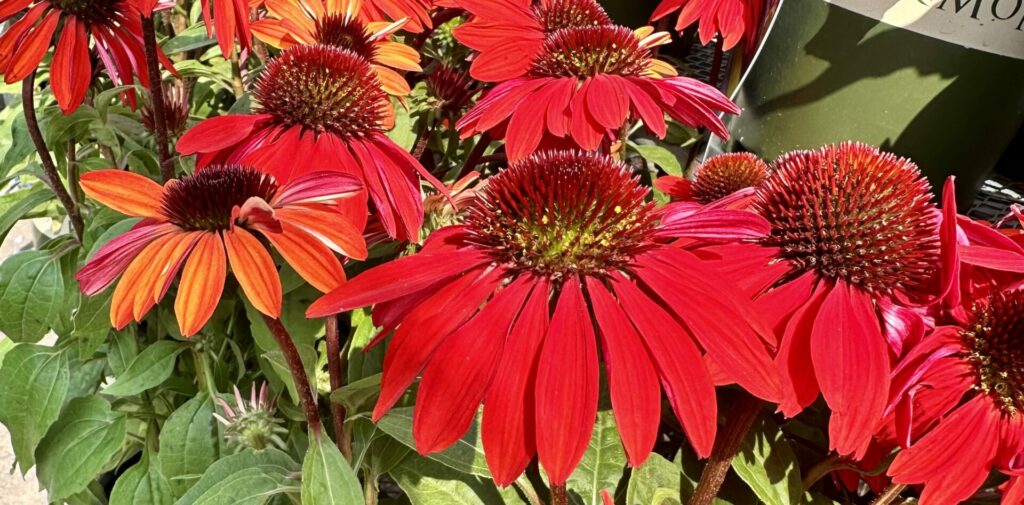
Deer Resistant Plants
While these plants are known for their deer resistance, it is important to remember that no plant is completely guaranteed to be deer-proof. Factors like the availability of other food sources and deer population can affect their browing behavior. It is always a good idea to monitor and protect your newly planted vegetation until it…
Spring To Do’s
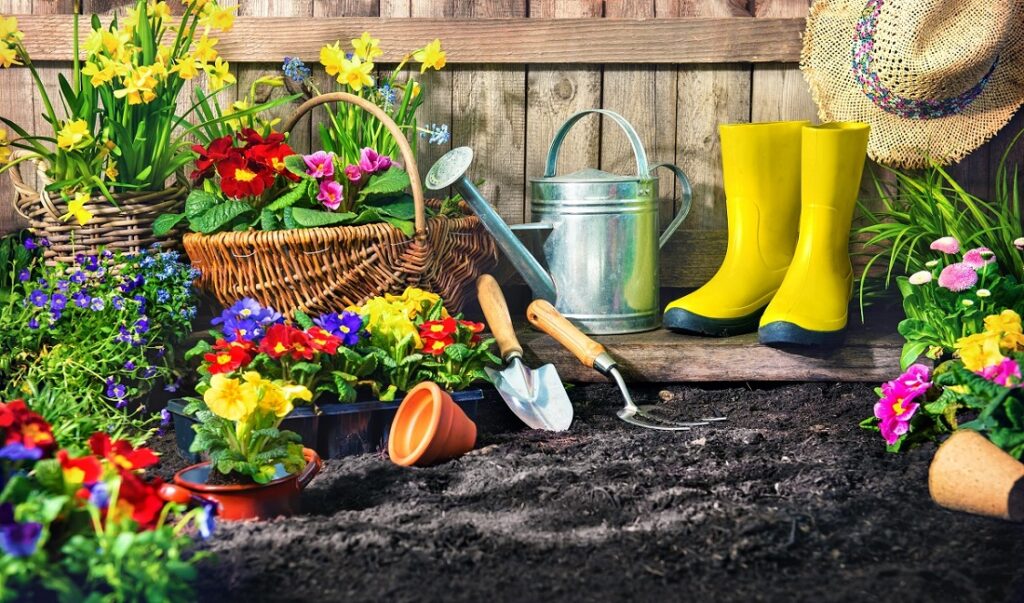
There may be snow still on the ground, but March and April are still a great time to start planning and getting ready for the spring. In no particular order, many gardeners start to plan their gardens, get their seeds, start their seeds, get their tools ready, prune trees or shrubs and check their houseplants.…

Upcycle What You Have at Home in Your Garden
Have some plastic milk jugs, egg shells, coffee grounds, or broken pots laying around? Well don’t throw them away, use them this year in your garden. There are multiple ways you can help keep the old gardening tools from landing up in the landfill for Global Recycling Day. Here are just a few fun ways…
BRINGING HOUSEPLANTS INDOORS!
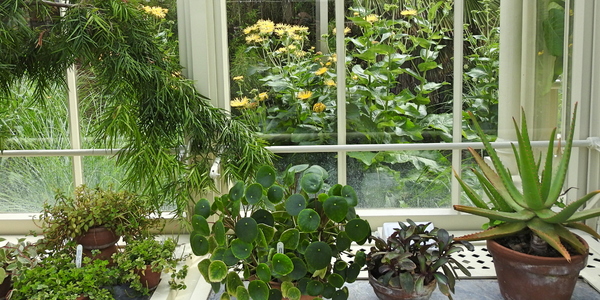
Have your houseplants been away on summer vacation? We love adding their tropical lushness to our porches and patios. However winter is coming and it’s time to start preparing the ones you brought outside to come back indoors. Don’t worry–we’ll tell you everything you need to know! As the days get shorter and temps…
COMPANION PLANTING AND PLANT SPACING CHART
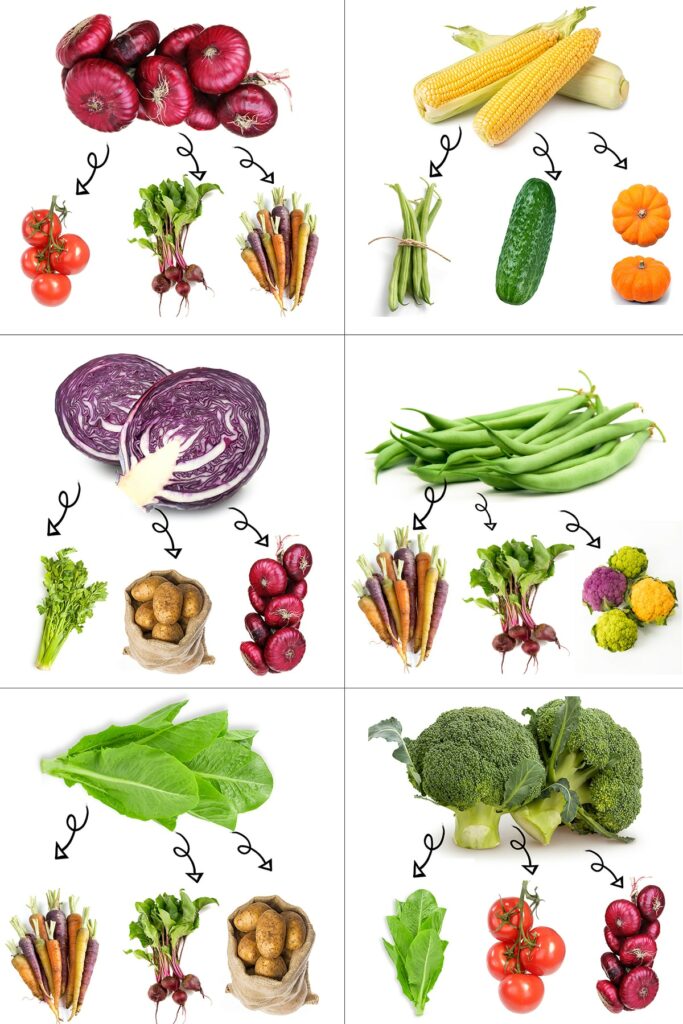
Here are some guides to help you get started on planting your garden! Companion planting is like nature’s symphony in the garden. It’s strategically placing plants that support and enhance each other’s growth. From marigolds warding off pests to tomatoes and basil teaming up for flavor-packed harmony, it’s a green collaboration. This gardening…
WATER WISELY
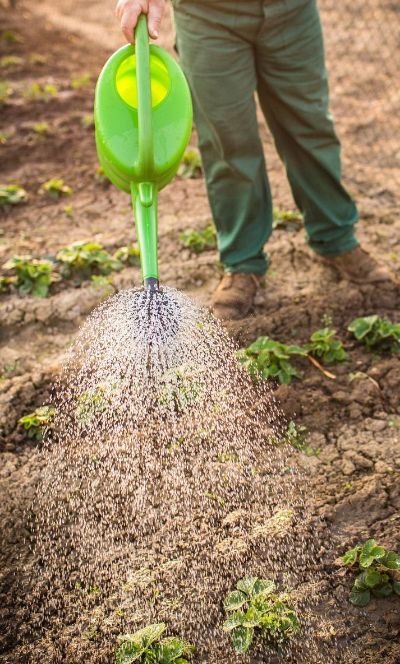
What’s Up With Watering? All plants need water, and new plants need the most as they’re getting their roots established. But how to water sustainably? We have some ideas: Collect rainwater: Plants love rainwater, so set some 5-gallon buckets out when we’re expecting a good rainfall to collect it or add a rain barrel or…
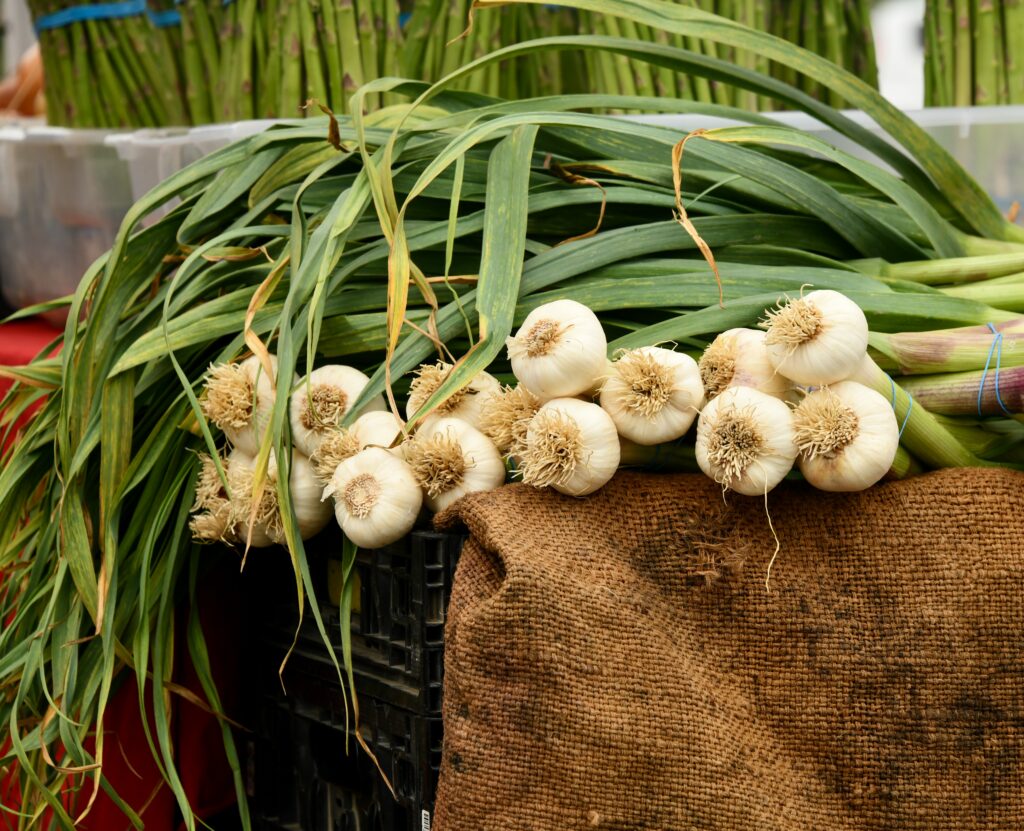
PLANTING GARLIC AT HOME
HOW TO PLANT GARLIC Why grow garlic at home? Because its creamy, nut-like, fresh-from-the-garden-flavor is heavenly! Garlic is easy to grow and produces numerous bulbs after a long growing season. It is frost tolerant. Beyond its intense flavor and culinary uses, “the stinking rose” is good in the garden as an insect repellent and has…
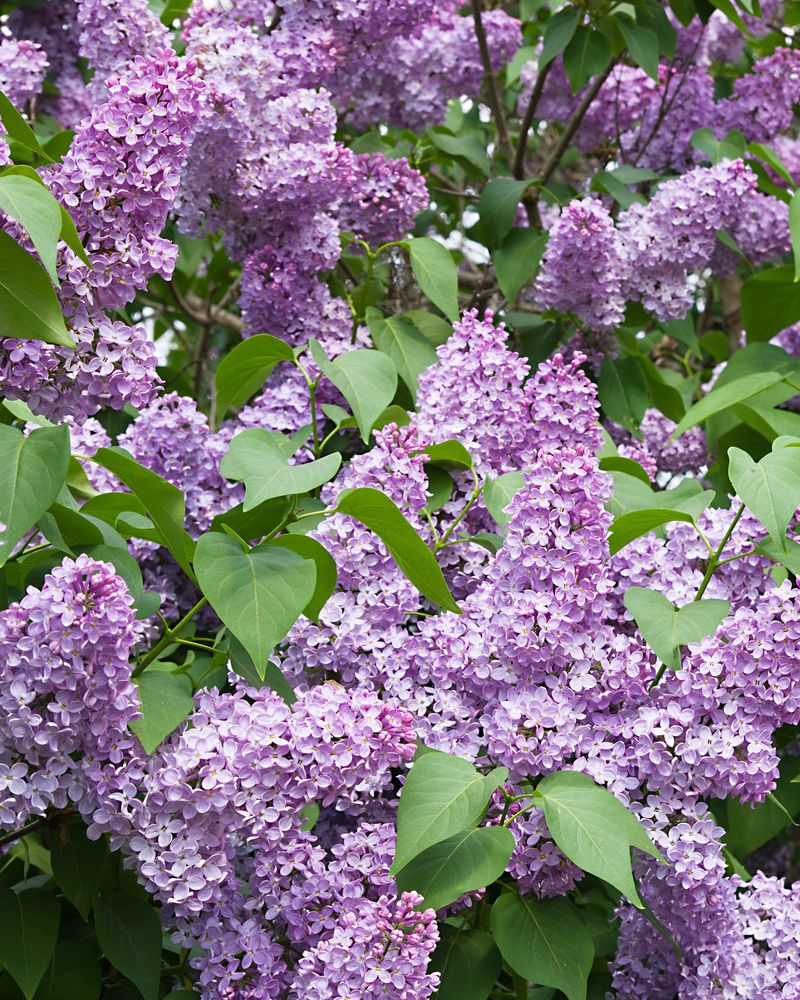
PRECISION PRUNING
Pruning Spring Flowering Shrubs Pruning can benefit landscape plants by maintaining size, promoting flowering, removing dead and diseased limbs, focusing growth on younger or more vigorous stems and helping to control insect and disease problems. However, timing can be critical on flowering shrubs, especially spring blooming shrubs. Spring flowering shrubs, like viburnums, lilacs…
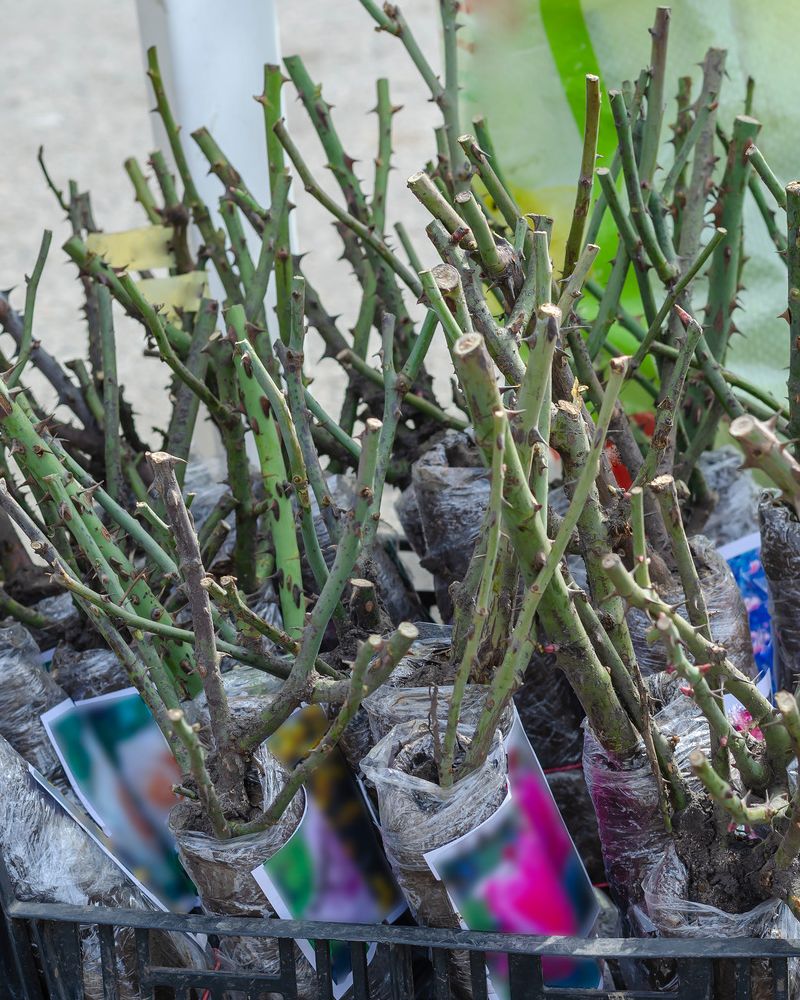
BARE ROOT CARE
Handling and Planting “Bare Root” Plants in the Home Landscape Chances are good that you’ve bought or ordered bare root plants before — those plants that come with no soil around their roots. Lots of plants are sold as bare root plants, including some roses, ornamental trees and shrubs, fruit trees, asparagus, and some perennials.…
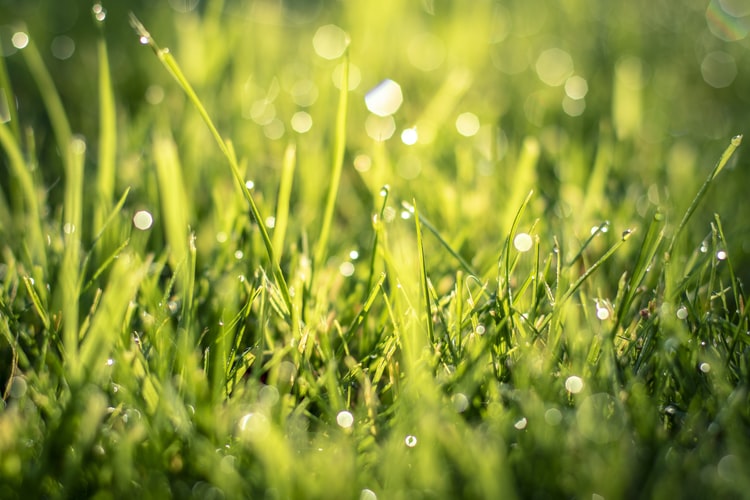
GROWING A NEW LAWN FROM SEED
Irrigate, irrigate, irrigate, but don’t create a swimming pool Keep the seed bed watered as often as necessary to keep the top half-inch of soil constantly moist, but don’t create pools of standing water or let it dry out. In May, this may only be twice a day and in June, it will probably be…
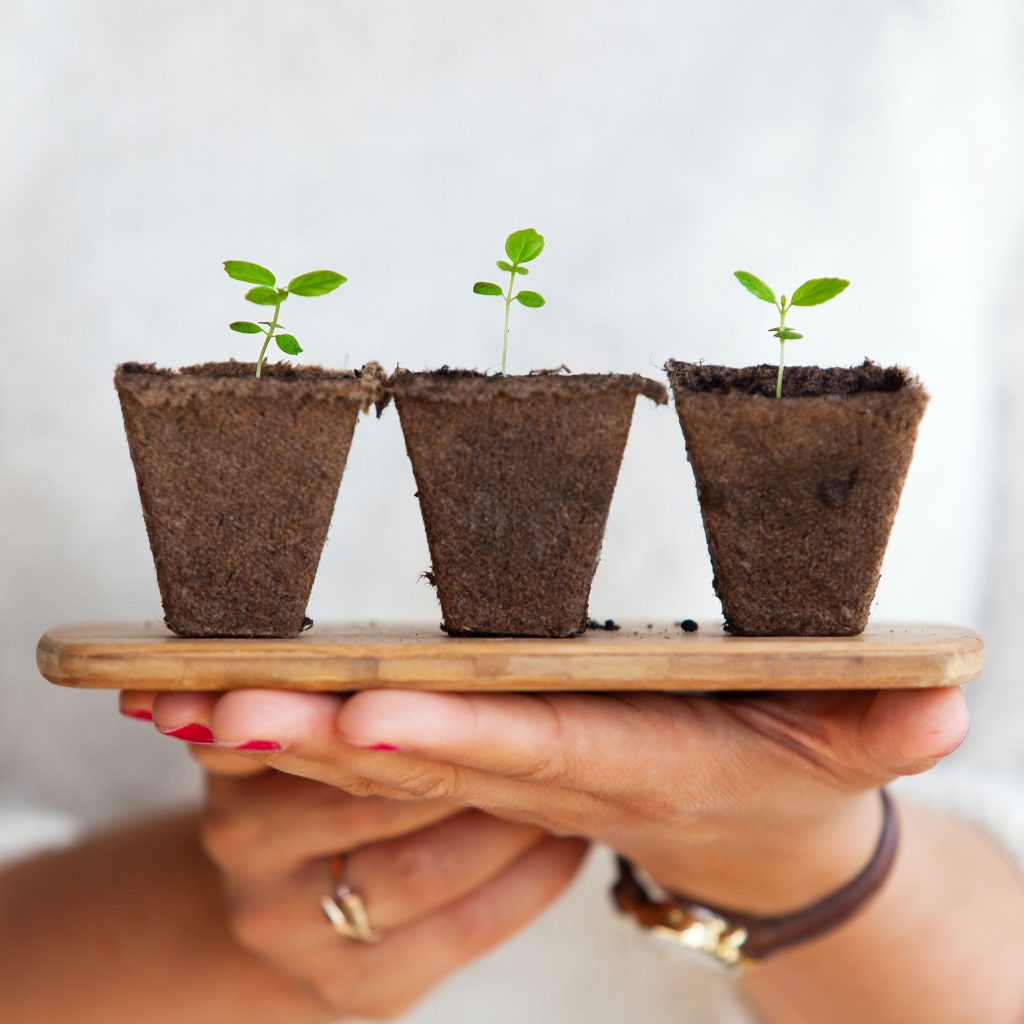
HOW TO TRANSPLANT
HOW TO TRANSPLANT You’ve invested time and money in your landscape, but landscapes evolve and mature over the years. At some point you may need to make changes. These changes could include moving established trees or shrubs. Reasons to Relocate a Tree or Shrub Transplanting mature trees and shrubs is possible, although the process…
FIVE TIPS TO GET YOUR GARDEN READY FOR SUMMER
FIVE TIPS TO GET YOUR GARDEN READY FOR SUMMER Here are a few tips to quickly prepare your garden and make a lasting impression on your guests: Add some color – Color is the first thing we notice in a landscape. Container gardens filled with exciting combinations of geraniums, petunias, impatiens, begonias and more…
WHEN IS THE BEST TIME TO TRANSPLANT?
WHEN IS THE BEST TIME TO TRANSPLANT? While it is technically true that all plants can be transplanted, it is equally true that some do not like to be moved once established. Younger plants transplant better than older, shrubs better than trees, and deciduous plants better than evergreens. Observing a few guidelines will ensure that…
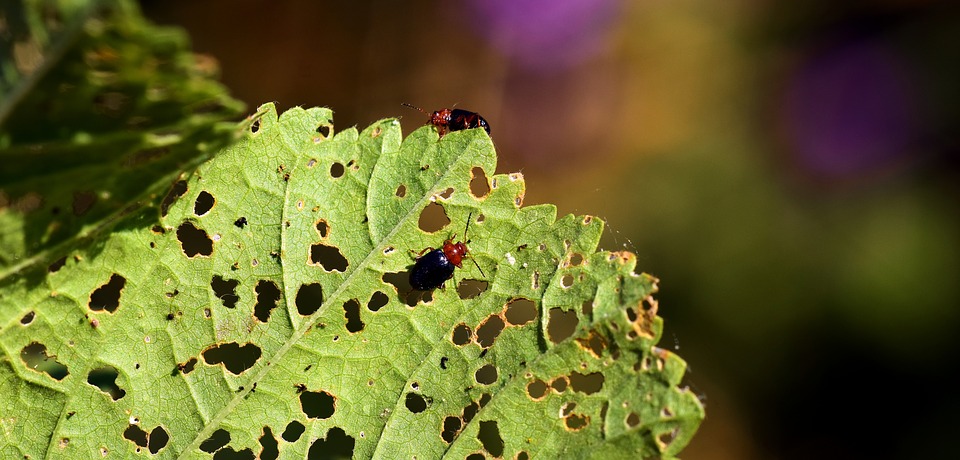
EVERYTHING YOU NEED TO KNOW ABOUT PESTS
EVERYTHING YOU NEED TO KNOW ABOUT PESTS Bagworms Bagworms are caterpillars that form a small bag or cocoon-like pouch that hangs down on the leaves and branches of shrubs and trees. The bags are made of silk, with bits of twigs and leaves interwoven to disguise and strengthen the bag. The larvae or caterpillar…
PLANT WITH CONFIDENCE
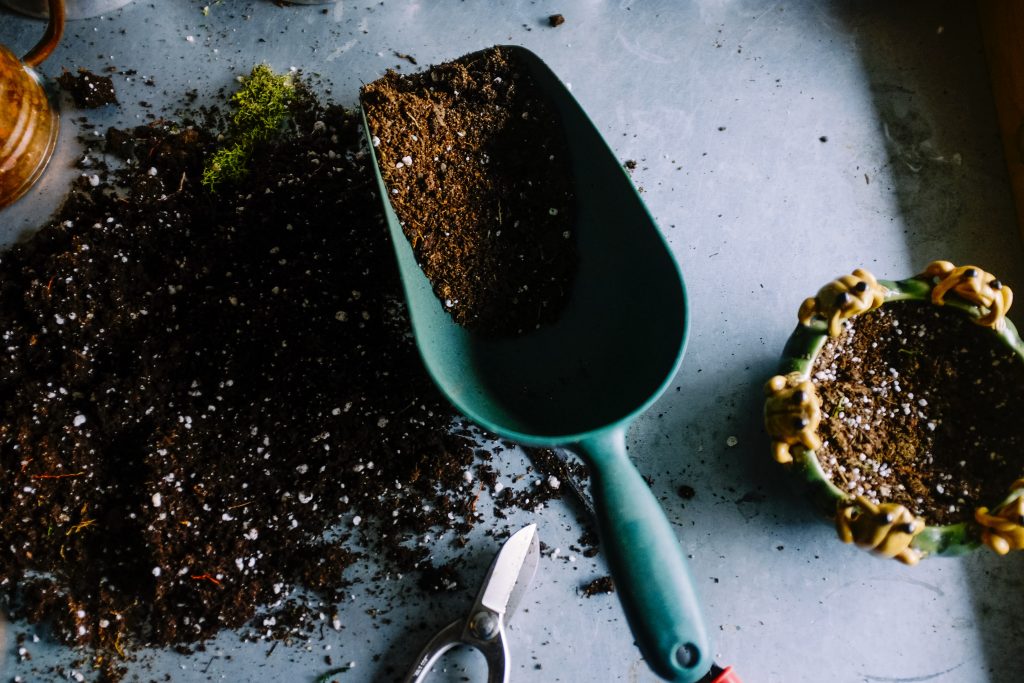
PLANT WITH CONFIDENCE What you’ll need: Good sturdy shovel A+ Planting Mix Plant Food Pruners or a knife Mulch Garden hose Watering wand Dig a hole that is slightly shallower and at least 6” wider than the root ball on all sides. Plant a little high! Mix your existing soil with a soil…
10 STEPS TO CREATE A BEAUTIFUL CONTAINER GARDEN
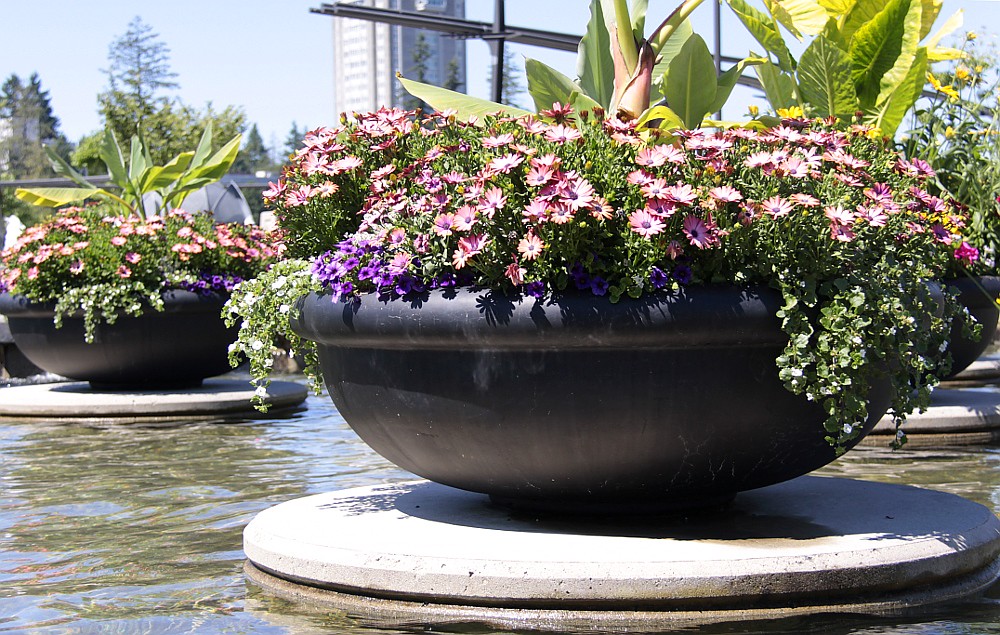
10 STEPS TO CREATE A BEAUTIFUL CONTAINER GARDEN When designing your plant combination, you may want to use the ‘thrillers, fillers and spillers’ method. Thrillers are plants that add height, such as fountain grass, spikes or tall bloomers like XL Dahlias or Salvia. Fillers are the plants that will stay a medium height and…
EIGHT TIPS TO SUCCESSFULLY GROW HERBS
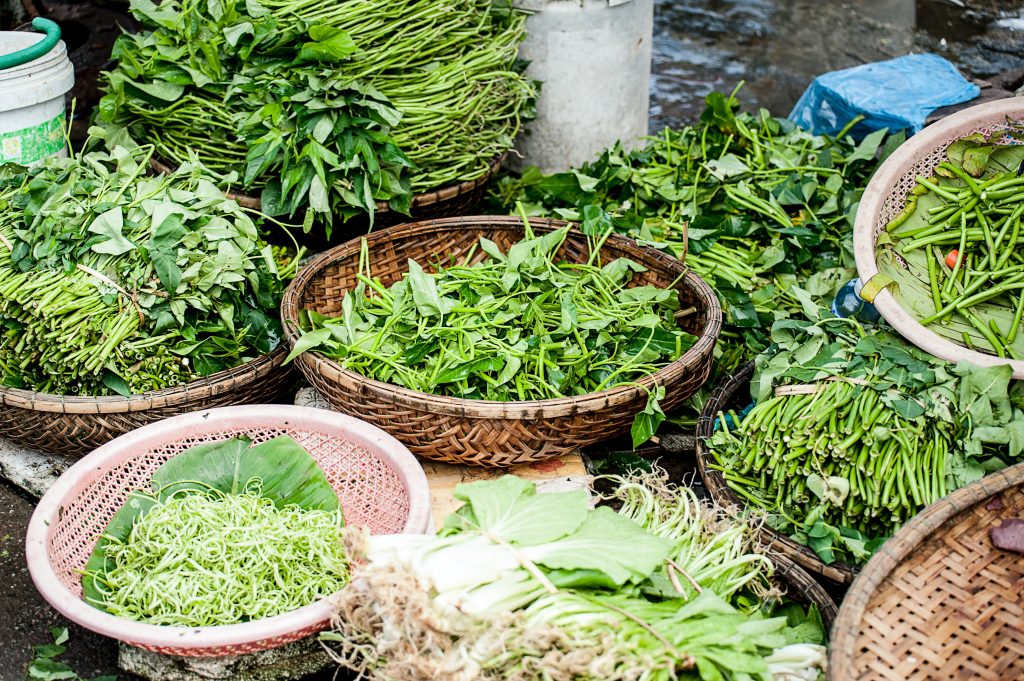
EIGHT TIPS TO SUCCESSFULLY GROW HERBS Give Them Some Sun – Most herbs thrive in six hours or more of sun per day. An exception is basil, which prefers a little shade. Condition Your Soil – Fertile soil and drainage are very important because you want to harvest as much as possible. If you’re…
HOW TO PLANT A GARLIC SEED
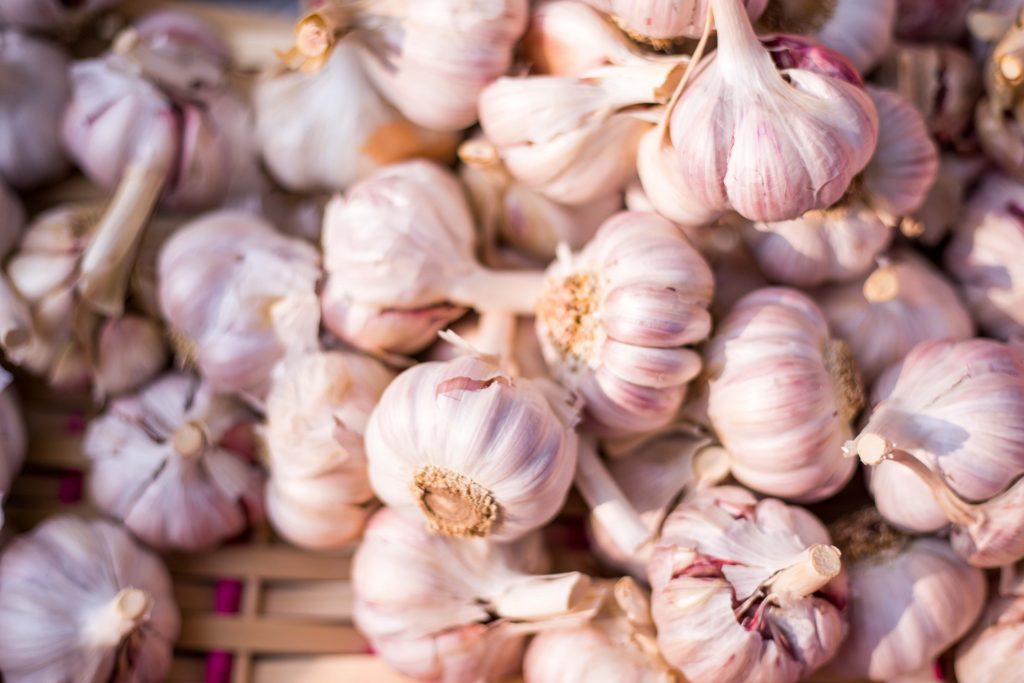
HOW TO PLANT A GARLIC SEED Why grow garlic at home? Because its creamy, nut-like, fresh-from-the-garden-flavor is heavenly! Garlic is easy to grow and produces numerous bulbs after a long growing season. It is frost tolerant. Beyond its intense flavor and culinary uses, “the stinking rose” is good in the garden as an insect repellent…
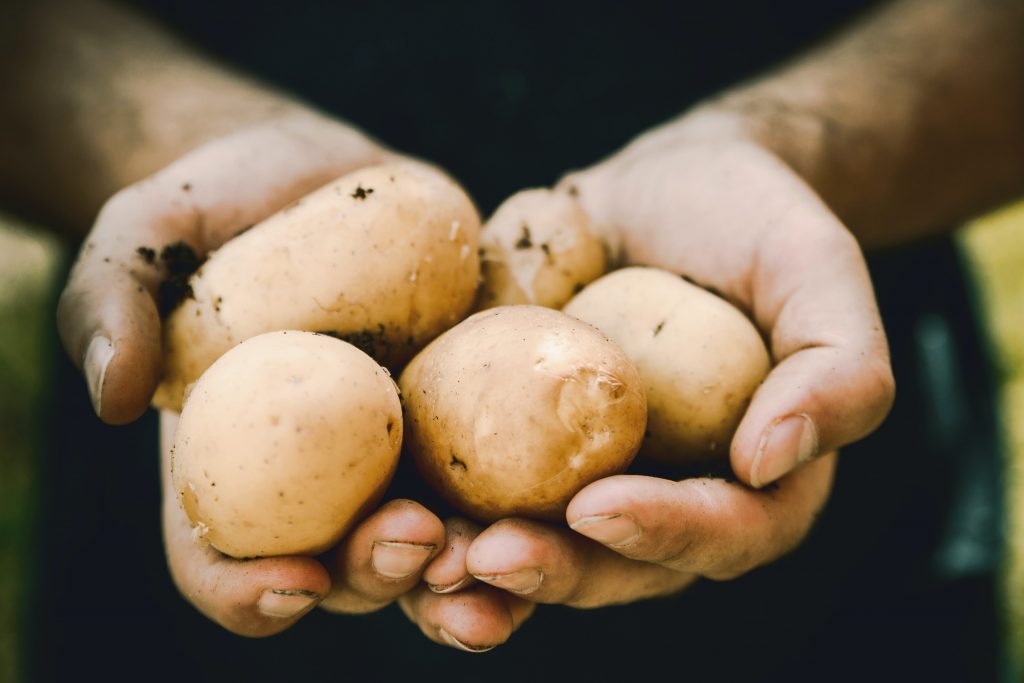
HOW TO PLANT A POTATO SEED
HOW TO PLANT A POTATO SEED A+ Garden center offers several of the tastiest fingerling, traditional baking and red potato varieties. This half hardy vegetable is a culinary staple and yet is overlooked by many backyard gardeners. The taste and texture of home-grown potatoes are far superior to store bought, especially the early varieties. They…
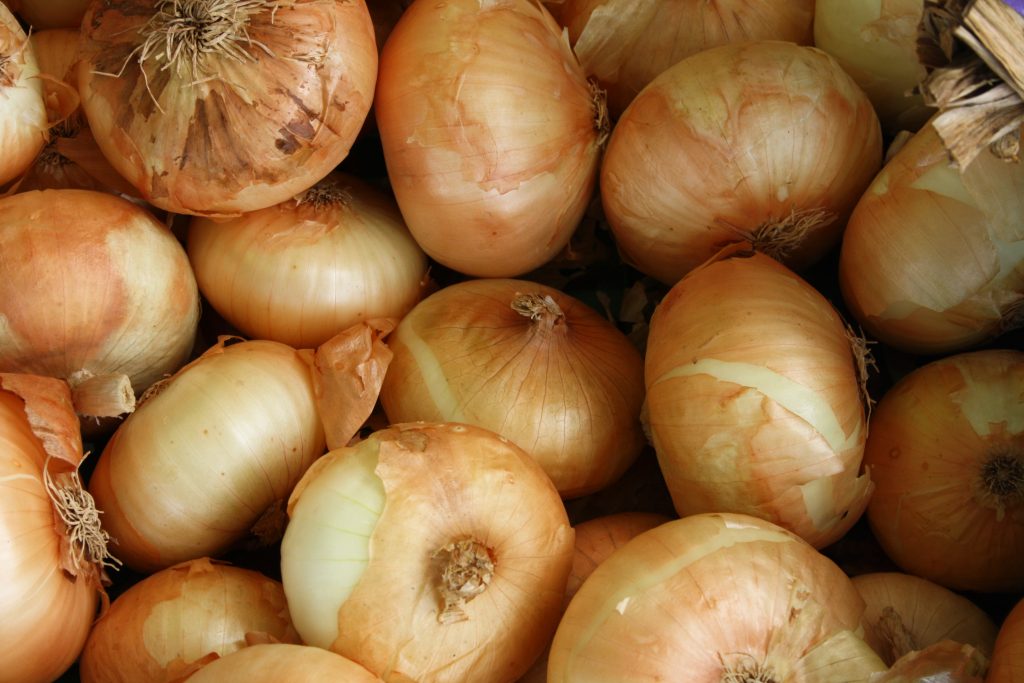
HOW TO PLANT AN ONION SEED
HOW TO PLANT AN ONION SEED Onions are a cool-season crop, easy to grow because of their hardiness. We carry onion sets, which can be planted without worry of frost damage and have a higher success rate than direct seed. Sets are onions that were harvested prematurely and stored over winter. Another option we carry,…
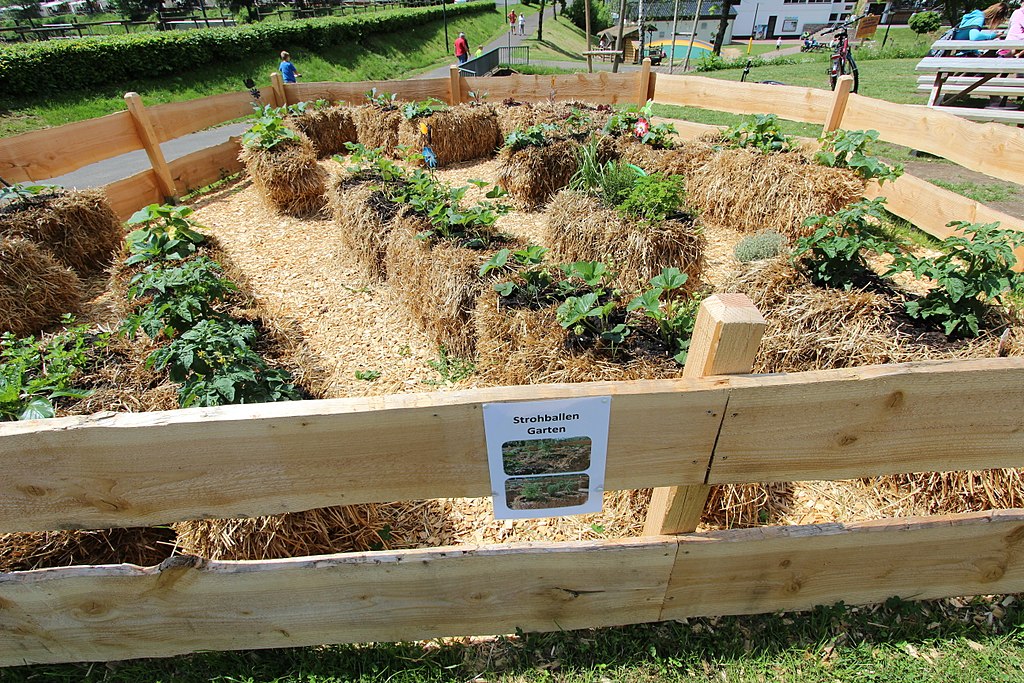
GROWING A STRAW BALE GARDEN
It’d be tempting to dismiss Straw Bale Gardening as a fad that has come and gone, but the truth is it may be an answer to several gardening problems you may have. Do you have rocky, uneven or unyielding clay soil? Are you unable or unwilling to dig up a big plot of ground to…