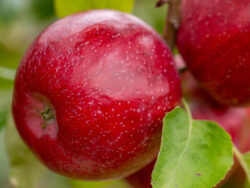
A triumph over apple scab! Created by crossing ‘Honeycrisp’ and ‘Liberty’, it has excellent scab tolerance with two different genetic forms of resistance. Taste-wise, Triumph™ is a pleasantly tart and well-balanced red apple with good storage life. Excellent for fresh eating. Blooming mid-season, the fruit will be ready to harvest in late September, similar to or slightly later than its parent ‘Honeycrisp’ and is hardy to USDA zone 4.
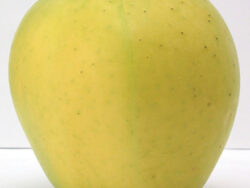
Russia, 1880. Skin is clear yellow and the flesh is white. Precocious and productive tree. Best used for cooking. Heavy producer. Pick before maturity for better storage life. Scab resistant.
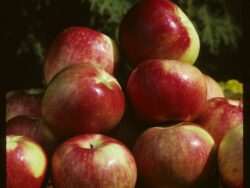
State Fair x Minnesota selection. University of Minnesota, 1998. A wonderful apple cultivar from the University of MN. At last, an early apple that is crisp and juicy! Best known for its excellent sweet-tart flavor. Has a much longer storage life than other early apples. Excellent for fresh eating and cooking. Ripens in late August in Minnesota.
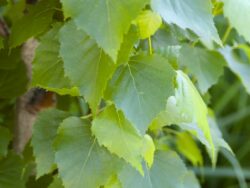
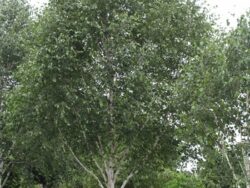
A beautiful birch with a narrow, upright, dense habit. It boasts white bark and dense, dark green foliage that turns golden in late fall. This fast growing variety is suitable for gardens, screens or boulevards. Tolerant of heat, drought and alkaline soils, Parkland Pillar is an excellent choice for urban landscapes. Its narrow form makes it perfect as an accent tree or it can be planted in multiples to form a privacy screen.
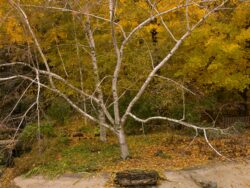
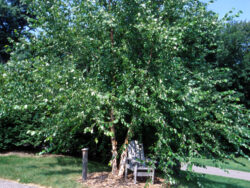
This very hardy birch is the most permanent and desirable of all the white-barked birches. Stems are a beautiful red-brown when immature, a perfect chalk-white when older. Fall color is an outstanding landscape feature. Clumps have three or more stems.
This river bottom native also does well on upland soils. Resistant to bronze birch borer, it has nice yellow fall color, and attractive cinnamon-brown exfoliating bark for an interesting winter effect. Clumps have three or more stems.
Exhibits the brightest white bark of any birch for a truly distinctive and exciting show! An exceptional tree with a graceful, open-branched, pyramidal form, exquisite peeling bark and terrific fall color. Toothy, tapered, dark green foliage transforms to a bright yellow in the fall. Showy catkins drape from the tree in spring. Deciduous.
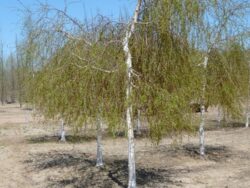
A most unusual small tree with very pendulous branches. The graceful mounding form beautifully displays the dramatic, weeping habit, and develops a noticeable trunk with age. A superior specimen or accent tree. Deciduous.
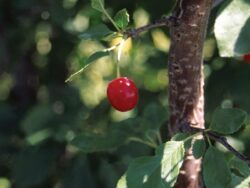
Deep, dark red fruit 1″ in diameter and excellent for baking and fresh eating. The fruit is much sweeter than other sour cherries. Extremely hardy buds.
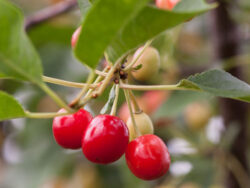
From Wisconsin orchardist Bill Eubank, this new sour pie cherry has the sweetest tasting cherries we’ve ever sampled. Although, not quite for fresh eating like a ‘Bing’, they are fantastic for jams, jellies, and pies. With its compact size, this is a great tree for the home garden or small orchard.
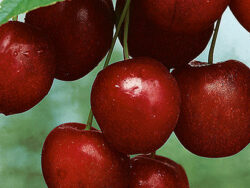
Long-stemmed, red-fleshed fruits with sugar content halfway between pie cherries and Bing cherries. Pyramidal tree grows to a height of 12 feet. Blooms in early May.
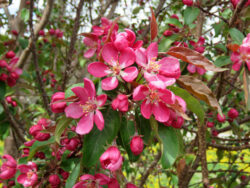
Courageous Crabapple hits the mark with year-round interest and disease resistance. In spring, the tree is covered in pink buds that transform into fragrant lilac-pink flowers. The new leaves exhibit a maroon appearance before changing to green-bronze in summer. Fall brings yellow-orange foliage, adding another layer of interest to this upright tree. With little to no fruit production, Courageous maintains a tidy look that continues into winter. It is a low-maintenance variety with excellent resistance to fire blight and scab.
We use cookies to ensure that we give you the best experience on our website. By continuing to browse or by clicking "OK," you agree to the storing of cookies on your device to enhance your site experience and for analytical purposes.